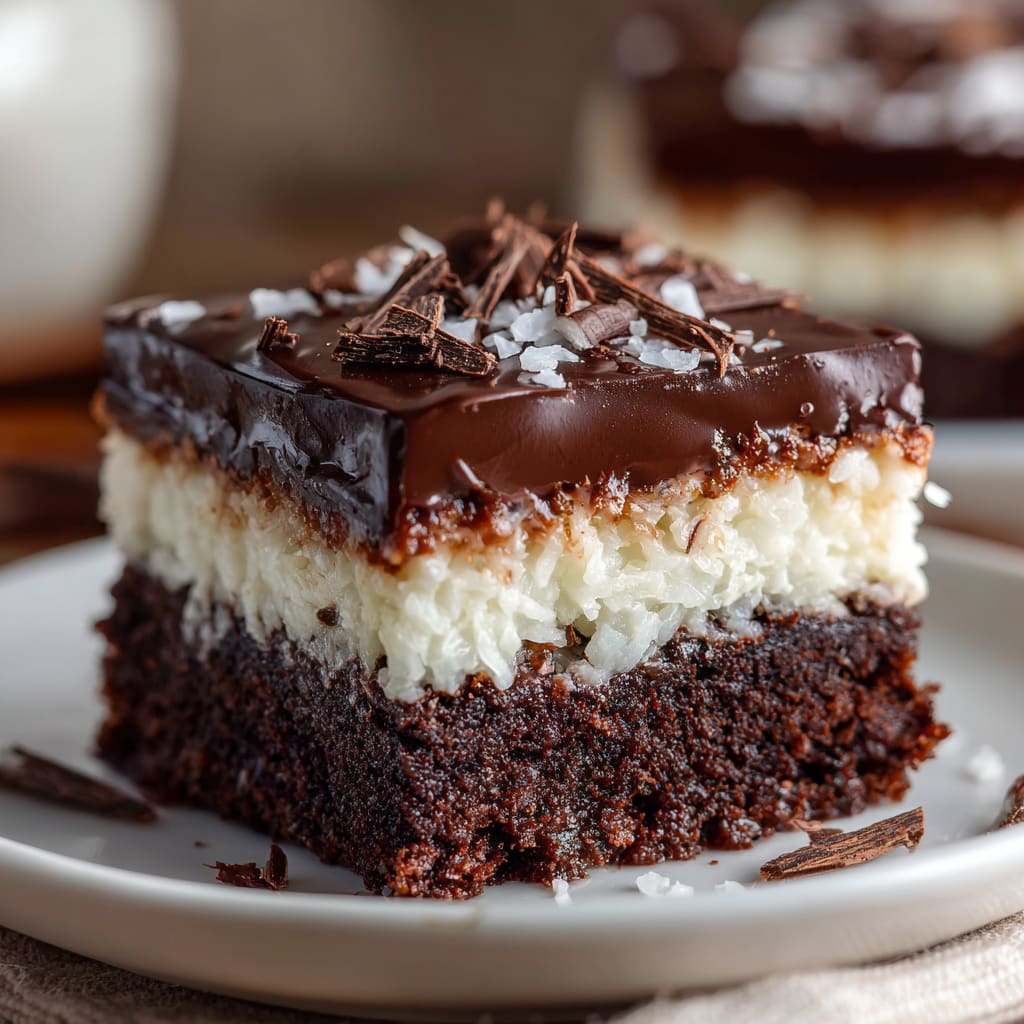


The buttery aroma of freshly baked Homemade Flaky Croissants wafting through your kitchen is truly one of life’s greatest pleasures. These golden-brown pastries, with their distinctive honeycomb interior and shattering exterior, transform an ordinary breakfast into a café-worthy experience. While making Homemade Flaky Croissants might seem intimidating, this recipe breaks down the process into manageable steps that even beginners can master. You’ll learn how to create bakery-quality croissants with perfectly defined layers, a tender interior, and that signature buttery flavor that makes croissants so irresistible.
Why You’ll Love This Recipe
These Homemade Flaky Croissants deliver an incredible textural experience that’s impossible to find in store-bought versions. Each bite offers a beautiful contrast between the crispy, golden exterior and the soft, pillowy interior with distinctive layers that pull apart effortlessly. The buttery richness melts in your mouth while the slight yeasty tang balances the flavor profile perfectly.
What makes this flaky croissant recipe special is its approachability. While traditional French croissant recipes can be intimidating, this version simplifies the process without compromising on quality or taste. The recipe uses accessible ingredients you likely already have in your pantry, with clear instructions that eliminate guesswork.
Best of all, while making these classic butter croissants requires time, most of it is hands-off resting and chilling periods. The actual active work time is surprisingly minimal, making this an achievable weekend project that yields impressive results worthy of a professional patisserie.
Ingredients List for the Homemade Flaky Croissants
These carefully selected ingredients create the perfect balance of richness, structure, and flavor that makes authentic French croissants so special. The high-quality butter is particularly crucial as it creates those distinctive flaky layers.
- 2 ¼ teaspoons (1 packet) instant yeast (active dry yeast also works)
- ½ cup water, room temperature
- 3 ½ cups all-purpose flour
- ⅓ cup granulated sugar
- 2 teaspoons salt
- 1 cup whole milk (I have also used 2% milk)
- 1 large egg, beaten (used to brush the croissants)
- 1 ½ cups (3 sticks) unsalted butter, cut into cubes (slightly cool, not completely at room temp)
- 2 tablespoons all-purpose flour
Pro Tips
Achieving perfect Homemade Flaky Croissants requires attention to a few critical details. First, temperature control is essential throughout the process. Keep your butter cool but pliable—too cold and it will break through the dough when folding, too warm and it will melt into the dough instead of creating distinct layers. Aim for the consistency of clay—firm but workable.
Second, precision in your folds matters tremendously. Each turn should be executed carefully with square corners and even pressure to ensure uniform layers. Use a ruler if needed, and always brush off excess flour between folds to prevent dry, tough spots in your finished croissants.
Finally, patience is your secret ingredient. Never rush the chilling time between folds or the final proofing. These resting periods allow the gluten to relax, making the dough easier to work with and ensuring proper rise. If at any point the dough feels too elastic or the butter starts to soften, return it to the refrigerator immediately for an additional 15-30 minutes.

Instructions
Step 1: Croissant Dough
Step 2: Remove the milk and butter from the refrigerator. Cut the butter into tablespoon cubes and set aside.
1 ½ cups (3 sticks) unsalted butter, cut into cubes, 1 cup whole milk
Step 3: Spray a large mixing bowl with cooking spray and set aside. This will be the bowl used to proof the dough.
Step 4: In the work bowl of the stand mixer, add 3 and 1/2 cups of flour. Add the sugar and salt on one side of the bowl. Stir the dry ingredients with a whisk or the dough hook (before attaching) to combine.
3 ½ cups all-purpose flour, ⅓ cup granulated sugar, 2 teaspoons salt
Step 5: If using Instant Yeast – Add the yeast on the other side of the bowl – away from the salt and stir to combine. If using active dry yeast – Sprinkle the yeast over the room temperature water in a liquid measuring cup. Allow the yeast to proof and get foamy – about 3 to 5 minutes. Add the yeast mix when you add the milk (next step).
2 ¼ teaspoons (1 packet) instant yeast
Step 6: Mix the Dough – Pour the water and milk over the flour. Mix the dough on medium-high speed, until it is smooth, and no longer sticky – about 8 to 10 minutes. If the dough is very sticky, add more flour a tablespoon at a time. If it is very dry, add more water, a teaspoon at a time.
½ cup water, room temperature, 1 cup whole milk
Step 7: Rest the Dough – Remove the dough from the mixer and gently form into a smooth ball in your hands. Place in the prepared mixing bowl and cover with plastic wrap. Rest the dough in a warm place for at least 30 minutes. Tip – Warm places to rest dough include: in your oven if you have a ‘proof’ setting; on top of your refrigerator; on the counter at room temp if it is a warm day.
Step 8: Prepare the Butter Block
Mix the cubed butter with 2 tablespoons of flour in a stand mixer fitted with a paddle attachment. Mix on low speed until just combined – you’re looking for a malleable consistency similar to modeling clay. Shape the butter into a 6-inch square on a piece of plastic wrap, wrap it up, and refrigerate for about 30 minutes.
Step 9: Laminate the Dough
Roll the rested dough into a 10-inch square. Place the chilled butter block diagonally on the dough square. Fold the corners of the dough over the butter like an envelope, making sure the butter is completely enclosed. Pinch the seams to seal.
Step 10: First Fold
On a lightly floured surface, gently roll the dough into a rectangle approximately 8 by 24 inches. Fold the dough in thirds like a letter, bringing one-third over the center, then folding the opposite end over. This creates your first “turn.” Wrap the dough in plastic and refrigerate for 1 hour.
Step 11: Complete the Lamination
Repeat the rolling and folding process two more times, always chilling the dough for 1 hour between folds. After the third fold, refrigerate the dough for at least 8 hours or overnight.
Step 12: Shape the Croissants
Roll the chilled dough into a large rectangle about 1/8 inch thick. Trim the edges to create an even rectangle. Cut the dough into triangles with 5-inch bases. Make a small notch in the center of each base and gently stretch each triangle to about 10 inches long.
Step 13: Roll and Proof
Starting at the base, roll each triangle up toward the point, slightly stretching the dough as you roll. Place the shaped croissants on parchment-lined baking sheets, curving the ends slightly to create the classic crescent shape. Cover loosely with plastic wrap and let proof at room temperature for 1.5-2 hours until visibly puffy.
Step 14: Bake
Preheat your oven to 375°F. Gently brush the proofed croissants with beaten egg. Bake for 15-20 minutes until deeply golden brown. Transfer to a wire rack to cool for at least 10 minutes before serving.
Variations
For chocolate croissants (pain au chocolat), cut the rolled dough into rectangles instead of triangles. Place a few pieces of high-quality dark chocolate along one short edge and roll up the dough. The chocolate will melt during baking, creating a delicious filling.
Almond croissants offer another delightful variation. After baking plain Homemade Flaky Croissants, slice them horizontally and spread with almond cream (a mixture of butter, sugar, ground almonds, and a touch of rum). Reassemble, brush with more almond cream, sprinkle with sliced almonds, and bake again until golden.
For a savory twist, add ham and swiss cheese before rolling up your croissant triangles. This creates a breakfast-worthy pastry that’s perfect for brunch gatherings. Just be careful not to overfill, as this can prevent proper rising during proofing.
Storage/Serving
Store completely cooled Homemade Flaky Croissants in an airtight container at room temperature for up to 2 days. For longer storage, freeze unbaked shaped croissants on a baking sheet, then transfer to freezer bags for up to 1 month. When ready to bake, thaw overnight in the refrigerator, then proof and bake as directed.
For the most authentic experience, serve these French butter croissants slightly warm with high-quality salted butter and fruit preserves. They make an exceptional pairing with a strong cup of coffee or hot chocolate for a traditional French breakfast experience.
For an elevated brunch, use these flaky croissants as the base for elegant open-faced sandwiches topped with smoked salmon, cream cheese, and fresh dill, or slice them horizontally to create delicious breakfast sandwiches with scrambled eggs and cheese.
FAQs
Can I make the dough without a stand mixer?
Yes, you can mix the dough by hand. Combine the ingredients in a large bowl and knead on a floured surface for 10-12 minutes until smooth and elastic.
Why did my croissants turn out dense instead of flaky?
Dense croissants usually result from butter melting into the dough rather than creating distinct layers. Make sure your butter remains cool but pliable throughout the lamination process, and always chill the dough when it becomes too warm or elastic.
Can I use salted butter instead of unsalted?
While possible, unsalted butter is preferred as it allows you to control the salt content. If using salted butter, reduce or eliminate the added salt in the recipe.
How do I know when my croissants are properly proofed?
Properly proofed croissants will be noticeably larger (almost doubled in size), slightly puffy, and will jiggle if you gently shake the baking sheet. Under-proofed croissants won’t rise properly, while over-proofed ones may collapse during baking.
Can I make these ahead of time for a special breakfast?
Absolutely! Shape the croissants, place on baking sheets, cover, and refrigerate overnight. The next morning, let them come to room temperature and finish proofing (about 1-2 hours) before baking fresh for your special occasion.

Homemade Flaky Croissants Recipe
- Prep Time: 15 mins
- Cook Time: 30 mins
- Total Time: 45 mins
- Yield: 4 people 1x
- Category: Breakfast
- Method: Cooking
- Cuisine: American
Description
Learn how to make Homemade Flaky Croissants with this easy recipe. Discover the secret to perfect pastries today!
Ingredients
- 2 ¼ teaspoons (1 packet) instant yeast (active dry yeast also works)
- ½ cup water, room temperature
- 3 ½ cups all-purpose flour
- ⅓ cup granulated sugar
- 2 teaspoons salt
- 1 cup whole milk (I have also used 2% milk)
- 1 large egg, beaten (used to brush the croissants)
- 1 ½ cups (3 sticks) unsalted butter, cut into cubes (slightly cool, not completely at room temp)
- 2 tablespoons all-purpose flour
Instructions
- Step 1- Croissant Dough :
- Step 2- Remove the milk and butter from the refrigerator. Cut the butter into tablespoon cubes and set aside.
1 ½ cups (3 sticks) unsalted butter, cut into cubes,1 cup whole milk - Step 3- Spray a large mixing bowl with cooking spray and set aside. This will be the bowl used to proof the dough.
- Step 4- In the work bowl of the stand mixer, add 3 and 1/2 cups of flour. Add the sugar and salt on one side of the bowl. Stir the dry ingredients with a whisk or the dough hook (before attaching) to combine.
3 ½ cups all-purpose flour,⅓ cup granulated sugar,2 teaspoons salt - Step 5- If using Instant Yeast – Add the yeast on the other side of the bowl – away from the salt and stir to combine. If using active dry yeast – Sprinkle the yeast over the room temperature water in a liquid measuring cup. Allow the yeast to proof and get foamy – about 3 to 5 minutes. Add the yeast mix when you add the milk (next step).
2 ¼ teaspoons (1 packet) instant yeast - Step 6- Mix the Dough – Pour the water and milk over the flour. Mix the dough on medium-high speed, until it is smooth, and no longer sticky – about 8 to 10 minutes. If the dough is very sticky, add more flour a tablespoon at a time. If it is very dry, add more water, a teaspoon at a time.
½ cup water, room temperature,1 cup whole milk - Step 7- Rest the Dough – Remove the dough from the mixer and gently form into a smooth ball in your hands. Place in the prepared mixing bowl and cover with plastic wrap. Rest the dough in a warm place for at least 30 minutes. Tip – Warm places to rest dough include: in your oven if you have a ‘proof’ setting; on top of your refrigerator; on the counter at room temp if it is a warm day.
Notes
Try This Recipe and Leave a comment Below, your opinion matters to me!
Nutrition
- Serving Size: 4 serving
- Calories: 400
- Sugar: 5g
- Sodium: 400mg
- Fat: 10g
- Saturated Fat: 3g
- Unsaturated Fat: 7g
- Trans Fat: 0g
- Carbohydrates: 40g
- Fiber: 5g
- Protein: 15g
- Cholesterol: 50mg