
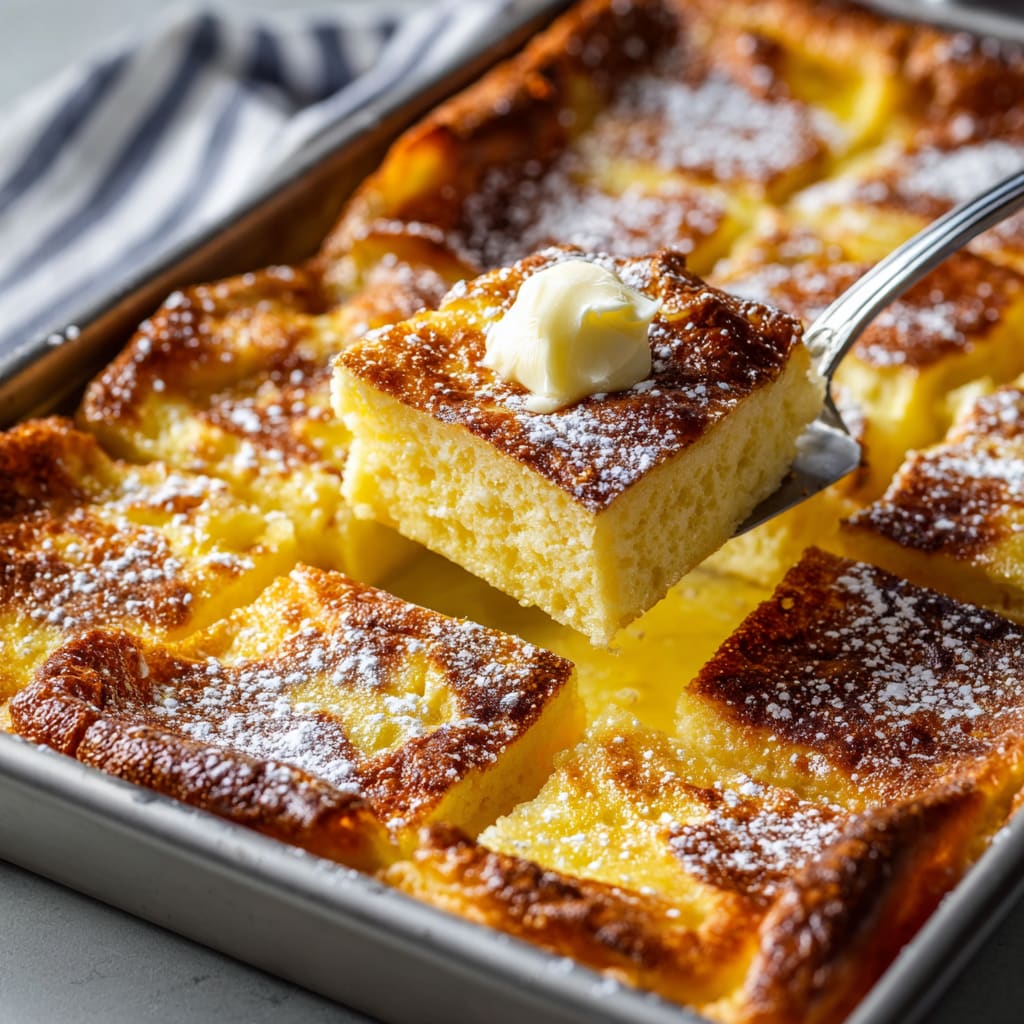
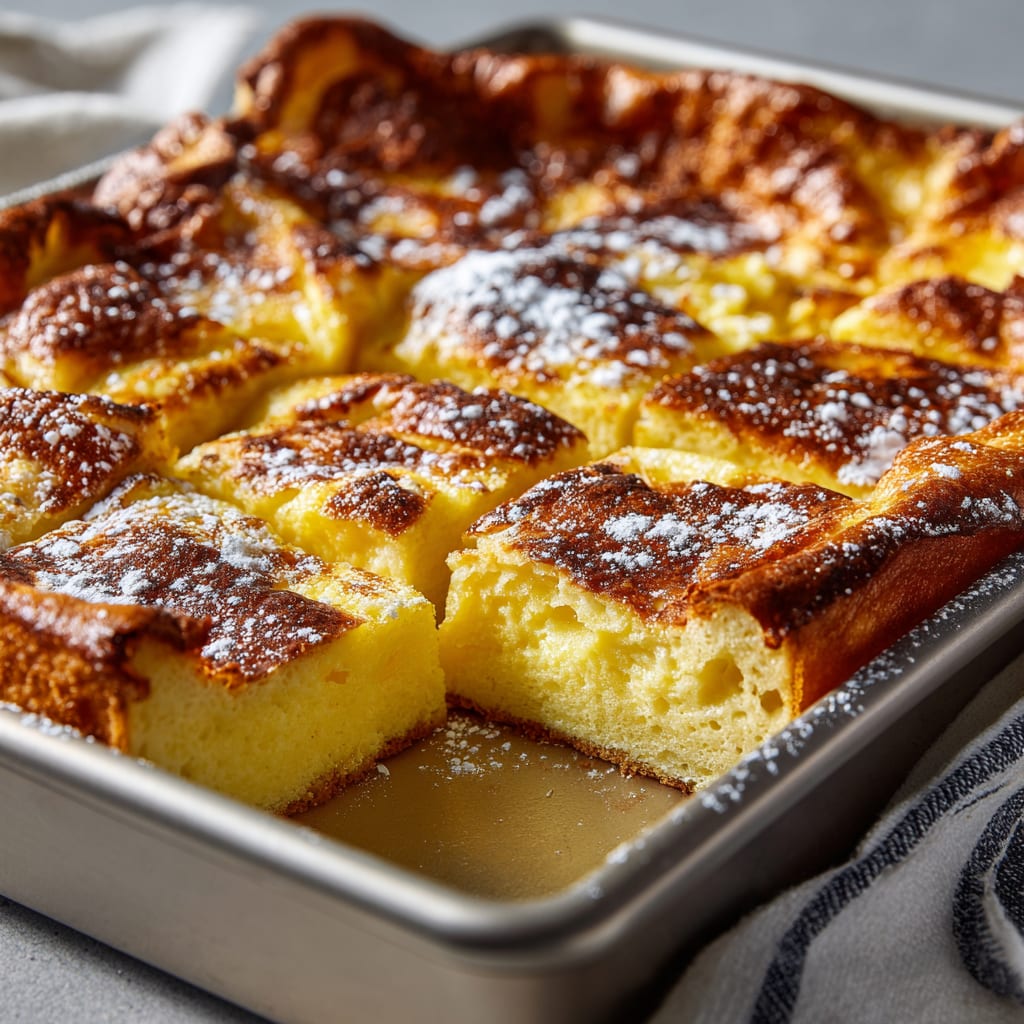
The sight of a golden-brown, puffy Baked German Pancake rising dramatically from the edges of a hot pan is truly a breakfast spectacle worth witnessing. This impressive yet surprisingly simple dish transforms basic pantry ingredients into a cloud-like, custard-centered delight that falls somewhere between a traditional pancake, Yorkshire pudding, and soufflé. Unlike regular pancakes that require standing at the stove flipping each one individually, this German pancake bakes entirely in the oven, allowing you to enjoy morning conversations instead of cooking duty. You’ll learn how this European-inspired breakfast classic comes together in minutes but delivers a memorable meal that can be customized for both sweet and savory preferences.
Why You’ll Love This Recipe
This Baked German Pancake recipe deserves a permanent spot in your breakfast rotation for numerous reasons. First, it delivers maximum wow-factor with minimal effort—the dramatic puff that occurs during baking never fails to impress family or guests. The texture is truly unique, offering a delightful contrast between crispy, caramelized edges and a tender, slightly custardy center that melts in your mouth.
Unlike traditional pancakes that leave you flipping batch after batch, this one-pan wonder bakes hands-free while you prepare other elements of your meal or simply enjoy your morning coffee. It’s endlessly customizable—dress it up with fresh berries and whipped cream for a sweet treat, or go savory with herbs and cheese for a more substantial brunch option.
The German pancake (sometimes called Dutch baby pancake) also provides excellent value, transforming inexpensive pantry staples like eggs, milk, and flour into a dish that feels special enough for weekend celebrations but easy enough for everyday mornings. The simplicity of preparation paired with its elegant presentation makes this recipe particularly perfect for both novice cooks and seasoned chefs alike.
Ingredients List for the Baked German Pancake
The beauty of a German pancake lies in its simple ingredients that transform magically in the oven. Each component plays a vital role in creating that signature puff and custardy texture that makes this dish so special.
- 6 large eggs
- 1 cup milk
- 2 1/2 tablespoons powdered sugar (optional, for sweet version)
- 1 cup all-purpose flour
- 1 pinch salt
- 1 teaspoon vanilla extract
- 5 tablespoons unsalted butter
Pro Tips
Creating the perfect Baked German Pancake relies on a few critical techniques that make the difference between a spectacular rise and a flat disappointment.
First, temperature is absolutely crucial—your pan and butter must be properly preheated before adding the batter. This initial heat shock creates the steam that gives the pancake its dramatic rise. Never skip this step or attempt to start with a cold pan, as you’ll miss out on the signature puff that makes a German pancake so special.
Second, blend your batter thoroughly but don’t overdo it. A quick 30-second pulse in the blender ensures proper incorporation without developing too much gluten, which could make your pancake tough rather than tender. If you don’t have a blender, a whisk works well too—just make sure there are no flour lumps.
Lastly, resist the urge to open the oven during baking. Each peek releases heat and can cause your beautiful creation to deflate prematurely. Trust the process and wait until the edges are deeply golden brown before removing from the oven. Remember that the pancake will naturally deflate somewhat after removal from the heat—this is normal and part of its rustic charm.
Instructions
Step 1: To make the german pancake: Preheat your oven to 425ºF (220ºC). As the oven preheats, put the unsalted butter in a 9×13-inch baking pan and place it in the oven until melted.
Step 2: Place the eggs, milk, sugar, flour, salt, and vanilla extract in a blender and pulse until smooth. Pour the batter into the hot baking dish over the melted butter.
Step 3: Bake the german pancake, for 22-27 minutes or until the edges are golden brown and puffy. Sprinkle the German baked pancake generously with powdered sugar, maple syrup, butter, or any other toppings you like.
Variations
The classic Baked German Pancake provides a perfect canvas for creativity. For a fruit-filled variation, consider adding thinly sliced apples tossed with cinnamon directly to the hot buttered pan before pouring in the batter. The fruit will caramelize beautifully while the pancake bakes, creating an apple-studded delight similar to a Dutch apple pancake.
For those preferring savory over sweet, transform your German pancake by omitting the sugar and vanilla, then adding a quarter cup of grated Parmesan cheese and a tablespoon of chopped fresh herbs like thyme or rosemary to the batter. After baking, top with smoked salmon and a dollop of crème fraîche for an elegant brunch centerpiece.
Those with dietary restrictions needn’t miss out—a gluten-free version works surprisingly well using a 1:1 gluten-free flour blend in place of the all-purpose flour. The high egg content naturally helps maintain the signature texture even without conventional wheat flour.
Storage and Serving
While the Baked German Pancake is undeniably at its magnificent best when served immediately from the oven, leftovers can be stored in an airtight container in the refrigerator for up to two days. Reheat gently in a 350°F oven for about 5 minutes to restore some crispness to the edges, though it won’t regain its original puffiness.
For serving, traditional presentations include a generous dusting of powdered sugar and a squeeze of fresh lemon juice, which cuts through the richness beautifully. For a more indulgent treat, offer warm maple syrup, fresh berries, and lightly sweetened whipped cream on the side, allowing everyone to customize their portion.
For brunch gatherings, consider serving your German pancake with a side of crispy bacon or breakfast sausages to create a balanced meal. A light fruit salad with citrus segments provides a refreshing counterpoint to the rich, eggy pancake and completes the presentation beautifully.
FAQs
Why did my German pancake not puff up as expected?
The dramatic puff comes from properly preheated equipment. Ensure your oven is fully preheated and the pan with butter is hot before adding batter. Room temperature ingredients also help create better steam and rise.
Can I make the batter ahead of time?
While it’s best made fresh, you can refrigerate the batter for up to 2 hours before baking. Let it come to room temperature for about 15 minutes and whisk again before pouring into the hot pan.
What’s the difference between a German pancake and a Dutch baby?
They’re essentially the same dish with different names. Dutch baby is the American term for this style of German pancake (pfannkuchen), which likely came from German immigrants in Pennsylvania.
Can I make this in a different sized pan?
Yes, but cooking times and texture will vary. A 10-12 inch cast iron skillet works beautifully for a thicker pancake with more dramatic edges. Reduce ingredients by 25% for smaller pans.
Why does my German pancake deflate after removing from the oven?
This is completely normal! The dramatic puff comes from steam trapped in the batter during baking. As it cools, the steam escapes and the pancake naturally settles. The taste and texture remain delicious.
Baked German Pancake
- Prep Time: 15 mins
- Cook Time: 30 mins
- Total Time: 45 mins
- Yield: 4 people 1x
- Category: Breakfast
- Method: Cooking
- Cuisine: American
Description
Indulge in the delicious flavors of a Baked German Pancake – discover a new breakfast favorite today!
Ingredients
- 6 large eggs
- 1 cup milk
- 2 1/2 tablespoons powdered sugar (optional, for sweet version)
- 1 cup all-purpose flour
- 1 pinch salt
- 1 teaspoon vanilla extract
- 5 tablespoons unsalted butter
Instructions
- Step 1– To make the german pancake: Preheat your oven to 425ºF (220ºC). As the oven preheats, put the unsalted butter in a 9×13-inch baking pan and place it in the oven until melted.
- Step 2– Place the eggs, milk, sugar, flour, salt, and vanilla extract in a blender and pulse until smooth. Pour the batter into the hot baking dish over the melted butter.
- Step 3- Bake the german pancake, for 22-27 minutes or until the edges are golden brown and puffy. Sprinkle the German baked pancake generously with powdered sugar, maple syrup, butter, or any other toppings you like.
Notes
Try This Recipe and Leave a comment Below, your opinion matters to me!
Nutrition
- Serving Size: 4 serving
- Calories: 400
- Sugar: 5g
- Sodium: 400mg
- Fat: 10g
- Saturated Fat: 3g
- Unsaturated Fat: 7g
- Trans Fat: 0g
- Carbohydrates: 40g
- Fiber: 5g
- Protein: 15g
- Cholesterol: 50mg