
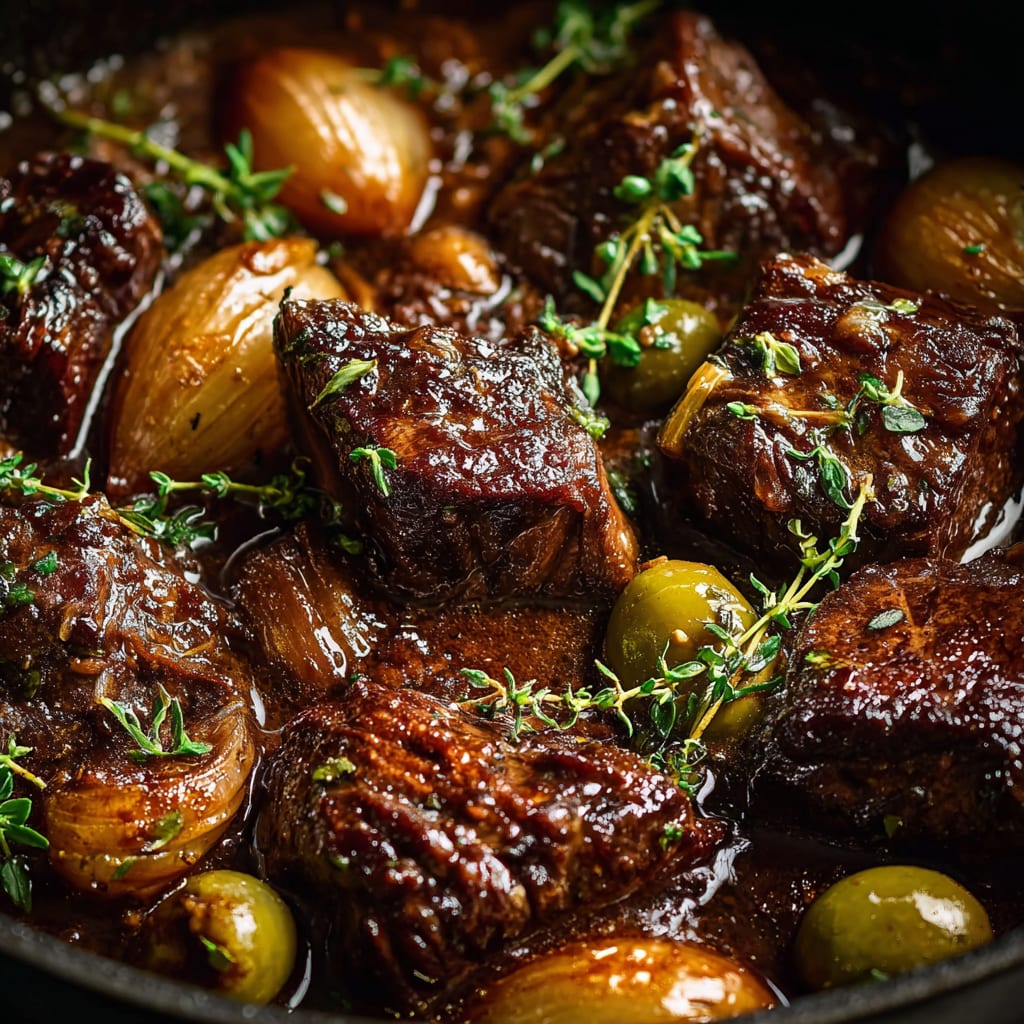
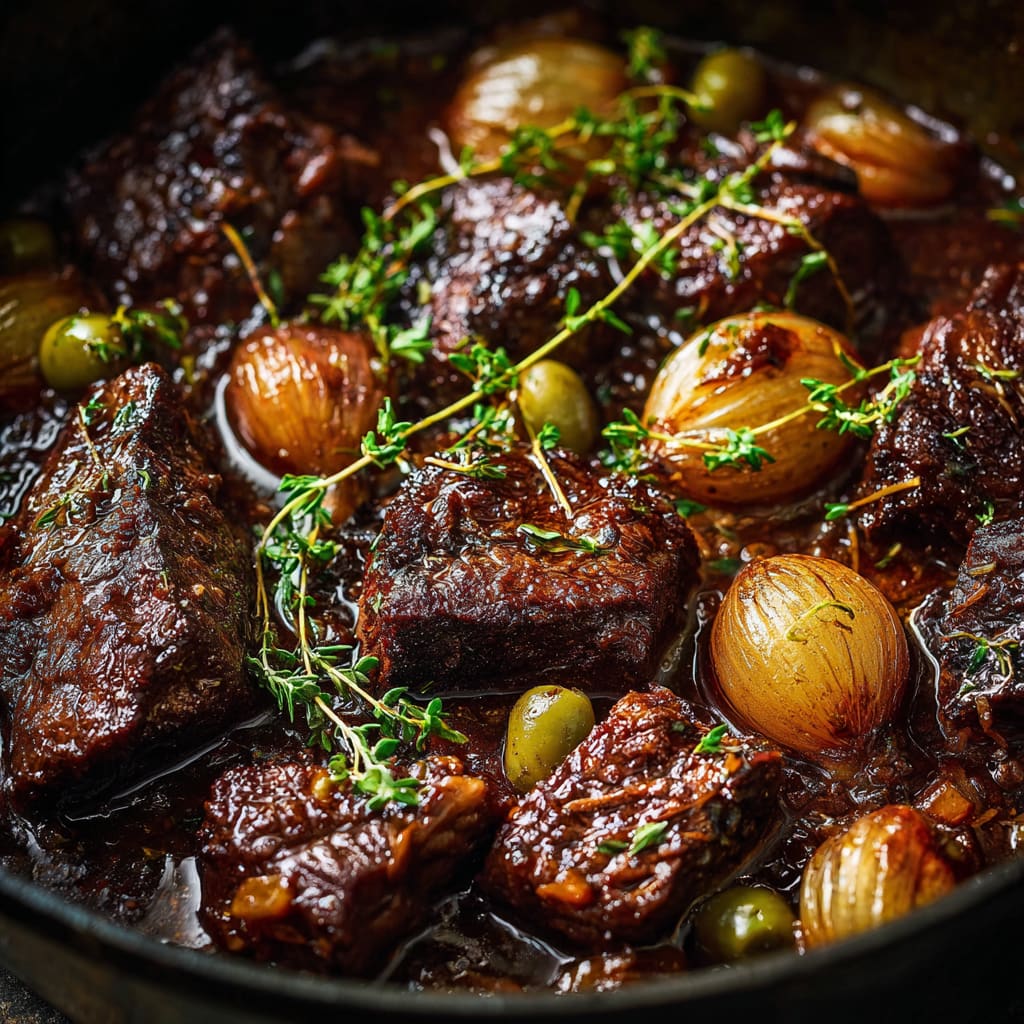
Imagine the rich, tantalizing aroma of Belgian-Style Slow-Cooked Beef Stew filling your home as tender chunks of beef simmer slowly in dark Belgian ale. This hearty, soul-warming dish transforms humble ingredients into an extraordinary meal through the magic of slow cooking. Unlike ordinary beef stews, this Belgian-Style Slow-Cooked Beef Stew features a distinctive sweet-sour flavor profile and incredible depth thanks to caramelized onions and dark ale. You’ll learn how to create this authentic Belgian comfort food that’s perfect for weekend family dinners or impressive enough for special gatherings.
Why You’ll Love This Recipe
This Belgian-Style Slow-Cooked Beef Stew stands out from ordinary stew recipes for several compelling reasons. First, the combination of dark Belgian ale and caramelized onions creates an incredibly rich, complex sauce that coats each morsel of beef with deeply savory flavor. The meat becomes fork-tender through slow cooking, practically melting in your mouth while still maintaining its texture.
The contrasts make this stew particularly special – the sweet-tart balance from brown sugar and vinegar, the herbaceous freshness from the herb mixture against the deep savory base, and the slight bite from capers that cuts through the richness. Each spoonful delivers multiple layers of flavor that evolve as you eat.
What’s more, despite its sophisticated flavor profile, this traditional Belgian beef stew recipe is surprisingly straightforward to prepare. The hands-on work happens upfront, then the stew largely tends to itself as it transforms through gentle, patient cooking. It’s the perfect weekend cooking project that rewards minimal effort with maximum flavor.
Ingredients List for the Belgian-Style Slow-Cooked Beef Stew
This ingredient list showcases the beautiful simplicity of Belgian cooking, where humble ingredients combine to create extraordinary depth of flavor. The dark ale is particularly important as it forms the backbone of the stew’s distinctive character.
- 2.2 lbs (1 kg) chuck steak or any slow-cooking beef cut
- 4 medium onions, finely sliced
- 1 tbsp butter
- 1 tbsp vinegar
- 1 tbsp brown sugar
- 1 tbsp flour, toasted
- 1 tbsp capers
- 4 tbsp mixed fresh herbs (e.g., parsley, chives, tarragon, chervil)
- 13.5 fl oz (400 ml) dark ale
- 1 tbsp oil for searing
- 1 bay leaf
- A few sprigs of thyme
- Salt and pepper to taste
- Water as needed to top up
Pro Tips
Making exceptional Belgian-Style Slow-Cooked Beef Stew requires attention to a few critical techniques that elevate the dish from good to extraordinary:
Caramelize the onions properly: This isn’t the time to rush. Spend at least 30-40 minutes slowly cooking the sliced onions until they’re deeply golden and sweet. This creates the foundation of flavor for the entire stew. Stir occasionally and if they begin to stick, add a splash of water to deglaze the pan rather than turning up the heat.
Sear the beef correctly: Work in small batches when browning the beef chunks. Overcrowding the pan causes the meat to steam rather than sear, robbing your stew of potential flavor. Pat the meat dry before searing and don’t disturb it until a proper crust forms on each piece. This initial caramelization contributes significantly to the stew’s depth of flavor.
Patience is paramount: The magic of this Belgian beef and beer stew happens during the long, slow cooking process. Keep the temperature low and steady, allowing the collagen in the meat to break down gradually. The stew is ready when the meat easily breaks apart with light pressure from a fork – not before. This typically takes 2.5-3 hours, but letting it go even longer (3.5-4 hours) will only improve the texture and flavor.
Instructions
Step 1: Cut beef into 2-inch (5 cm) chunks. Season generously with salt and pepper. Heat oil in a large Dutch oven or heavy-bottomed pot over medium-high heat. Working in batches, sear the beef until deeply browned on all sides (about 3-4 minutes per batch). Transfer browned beef to a plate.
Step 2: Reduce heat to medium-low. Add butter to the pot. Add sliced onions with a pinch of salt and cook slowly, stirring occasionally, for 30-40 minutes until deeply caramelized and golden brown.
Step 3: Add brown sugar and continue cooking for 5 minutes, stirring occasionally.
Step 4: Sprinkle toasted flour over the onions and stir to combine. Cook for 2 minutes to remove the raw flour taste.
Step 5: Pour in the dark ale, scraping the bottom of the pot to release any browned bits. Bring to a simmer.
Step 6: Return the beef to the pot, along with any accumulated juices. Add the bay leaf, thyme sprigs, and enough water to barely cover the meat if needed.
Step 7: Cover the pot and simmer on very low heat for 2.5-3 hours, or until the beef is fork-tender. Check occasionally and add small amounts of water if needed.
Step 8: In the last 10 minutes of cooking, stir in the vinegar and capers.
Step 9: Remove from heat. Discard bay leaf and thyme stems. Taste and adjust seasoning with salt and pepper if needed.
Step 10: Just before serving, stir in the fresh mixed herbs, reserving some for garnish.
Variations
Flemish Carbonnade: For an authentic Flemish carbonnade flamande, add 2 tablespoons of mustard and 2 slices of bread spread with mustard (crust removed) during the last hour of cooking. The bread will dissolve and thicken the stew while adding a subtle mustard flavor that’s characteristic of this northern Belgian variation. Traditionally, this version is served with frites (Belgian fries) on the side.
Winter Vegetable Belgian Stew: Transform this Belgian-Style Slow-Cooked Beef Stew into a heartier one-pot meal by adding root vegetables in the last 45 minutes of cooking. Add 2 carrots cut into chunks, 2 parsnips, and 8 small whole new potatoes. This variation makes the stew stretch further and adds wonderful textural contrast and earthy sweetness that complements the rich sauce beautifully.
Belgian Mushroom Beef Stew: Enhance the umami flavors by adding 8 ounces (225g) of mixed mushrooms (button, cremini, or wild) sautéed separately in butter until golden brown. Add them to the stew in the last 30 minutes of cooking. The mushrooms add a wonderful earthy dimension that pairs perfectly with the dark ale base.
Storage and Serving
This Belgian-Style Slow-Cooked Beef Stew improves with time, making it perfect for meal planning. Store cooled leftovers in an airtight container in the refrigerator for up to 3 days. For longer storage, freeze portions in freezer-safe containers for up to 3 months. Thaw overnight in the refrigerator before gently reheating on the stovetop over medium-low heat, adding a splash of water or stock if needed to loosen the sauce.
For traditional Belgian serving, ladle this hearty beef stew alongside crispy Belgian frites (twice-fried potatoes) with a small side salad dressed simply with vinaigrette. A dollop of mustard or sharp mustard-based sauce on the side is traditionally offered for diners to add according to their taste.
For a more rustic presentation, serve in wide, shallow bowls with crusty bread for sopping up the rich sauce. Complete the experience with a glass of the same dark Belgian ale used in cooking, or opt for a Burgundy red wine that stands up to the stew’s robust flavors.
FAQs
What’s the best cut of beef for Belgian stew?
Chuck steak is ideal for this stew as it has excellent marbling and becomes tender with slow cooking. Other good options include beef shin, brisket, or stewing beef labeled as suitable for slow cooking. Avoid lean cuts like sirloin which will become tough and dry.
Can I make this stew in a slow cooker?
Yes! Brown the meat and caramelize the onions as directed, then transfer everything to a slow cooker. Cook on low for 7-8 hours or high for 4-5 hours. The flavor may not be quite as concentrated as the stovetop version, but it will still be delicious.
What kind of ale works best in Belgian beef stew?
Traditional recipes call for a Flemish brown ale or Trappist dubbel. Look for Chimay Red, Westmalle Dubbel, or Leffe Brown. The malty, slightly sweet character of these dark Belgian ales creates the distinctive flavor. Avoid hoppy beers like IPAs which can become bitter when reduced.
Why is my stew bitter?
Bitterness usually comes from reducing certain ales too much or using a highly hopped beer. Counter mild bitterness with a little extra brown sugar. For serious bitterness, add a small peeled, grated potato to the stew and simmer for 10 more minutes—the potato will absorb bitterness.
Is Belgian beef stew gluten-free?
Traditional Belgian stew contains both flour and beer, which contain gluten. For a gluten-free version, substitute cornstarch for flour and use gluten-free beer or beef stock with a tablespoon of balsamic vinegar to mimic the depth of flavor.
Belgian-Style Slow-Cooked Beef Stew
- Prep Time: 15 mins
- Cook Time: 30 mins
- Total Time: 45 mins
- Yield: 4 people 1x
- Category: Dinner
- Method: Cooking
- Cuisine: American
Description
Discover the secret to perfect Belgian-Style Slow-Cooked Beef Stew. Learn tips for a delicious, hearty meal tonight!
Ingredients
- 2.2 lbs (1 kg) chuck steak or any slow-cooking beef cut
- 4 medium onions, finely sliced
- 1 tbsp butter
- 1 tbsp vinegar
- 1 tbsp brown sugar
- 1 tbsp flour, toasted
- 1 tbsp capers
- 4 tbsp mixed fresh herbs (e.g., parsley, chives, tarragon, chervil)
- 13.5 fl oz (400 ml) dark ale
- 1 tbsp oil for searing
- 1 bay leaf
- A few sprigs of thyme
- Salt and pepper to taste
- Water as needed to top up
Instructions
- Step 1: Substitutions : Use beef stock with balsamic vinegar if dark ale isn’t available.
- Step 2: Make-Ahead : Tastes better the next day; perfect for meal prep.
- Step 3: Storage : Refrigerate for 3 days or freeze for 3 months.
- Step 4: Gluten-Free Option : Swap flour and ale with gluten-free alternatives.
- Step 5: Serving Ideas : Pair with fries, mashed potatoes, or crusty bread.
Notes
Try This Recipe and Leave a comment Below, your opinion matters to me!
Nutrition
- Serving Size: 4 serving
- Calories: 400
- Sugar: 5g
- Sodium: 400mg
- Fat: 10g
- Saturated Fat: 3g
- Unsaturated Fat: 7g
- Trans Fat: 0g
- Carbohydrates: 40g
- Fiber: 5g
- Protein: 15g
- Cholesterol: 50mg